Although the concept of early spaying and neutering of both cats and dogs is not new, its use by veterinarians in the mid-20th century was limited because of many misconceptions:
- It was better to let a female cat give birth to one litter of kittens before spaying.
- A female cat should not be neutered until after her first oestrus period.
- Growth metabolism might be stunted as a result.
- The eventual urethral diameter might be constricted, particularly in male cats, causing eventual urinary tract problems.
- Female cats, in particular, might later develop incontinence as a result.
- Certain behavioral problems might result.
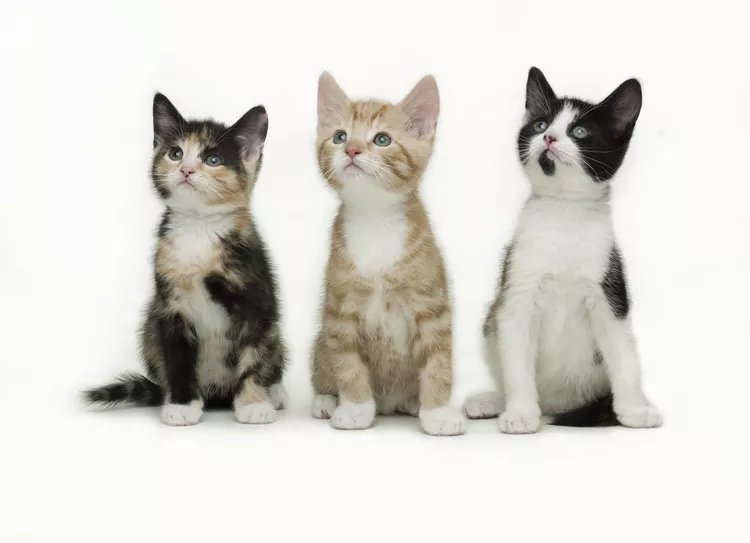
Most people should know by now that failure to spay & neuter is the number one cause of the pet population explosion. Indeed, female cats barely kittens themselves commonly give birth, and male cats as young as four months have been known to impregnate willing queens. Cat caregivers with both male and female kittens should spay and neuter around 4 months of age (or as their vet recommends). Waiting much longer means playing a game of Russian Roulette and may exacerbate the problem.
Humane Societies to the Forefront
Because of the exponentially increasing feline overpopulation problems, with humane societies and other shelters bearing the brunt of the consequences, these groups rose to the forefront in taking positive action.
People who run shelters know that the kittens they adopt out today can spawn descendants who will refill the shelters in short order. In the past, to prevent this, shelters have tried many tactics, from contracts (which historically has between 10% and 50% noncompliance), deposits for later spay/neutering (which are readily forfeited), and other equally non-productive incentives.
Many shelters decided to stop relying on the adoptive "parents" and to guarantee spay/neutering of kittens by having it performed before adoption, either with veterinary staff or by cooperating veterinarians. In the twenty or so years of research that followed, in both the U.S. and Canada, shelter operators and veterinarians were able to dismiss the previous misconceptions one by one. It was found that in cats altered as early as 6-12 weeks of age (compared to cats neutered at 6-12 months) there was the:
- Same metabolic rate
- Same type of growth
- Same urethral diameter at adulthood
- Same behavioral patterns.
Notwithstanding the most obvious (and most critical) benefit, that of helping to diminish the population growth, certain side benefits of early spay and neuter accrued to the cats themselves, such as less traumatic surgery, quicker recovery, and fewer complications.
I viewed a video produced by the U.C.Davis School of Veterinary Medicine in conjunction with AVAR, on the benefits of early spay and neuter of cats. This video was intended for veterinary use, to demonstrate the comparative ease of the technique with young kittens, as well as the collateral benefits. At the same time, I also viewed a video produced by the American Humane Association, in which surgeries (both spay and neuter) were shown in both young kittens and cats at the traditional, appropriate ages. The criteria used for the suitability of kittens was a clear health check, at least two pounds in weight, and two descended testicles for male kittens.
The Surgery
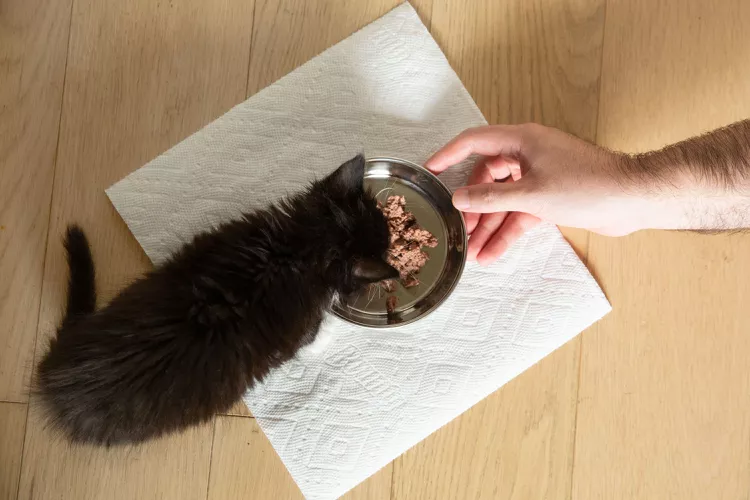
In preparation for the surgery, because of kittens' predisposition to hypoglycemia, they have not fasted as long as older cats before surgery but were given a small meal. They were also well-swaddled in toweling and placed on a heated pad, because of the possibility for hypothermia. Other than those preparations, the surgeries were the same, including the kind of anesthetics used for inducement and maintenance. There were two crucial differences, however:
- The surgeries went much quicker and with less trauma for the kittens because there were no extra layers of fat to cut through. For the same reason, the closure was a relatively simple process of one stitch through the one-centimeter incision for the spay.
- Because of the delicate nature of the organs at that young age, gentle tissue handling was crucial.
Recovery
Kittens recover from anesthesia quickly and often faster than the adult cats. In a video comparing neutering surgery at two different ages, fifteen minutes after the surgery the kitten was awake and starting to move around. The one-year-old cat was still sedate. Within an hour, the kittens were walking around, playing, and eating. They didn't show the adult cat at an hour later, but from my recollections, our cats were still pretty groggy when we brought them home several hours later.
Conclusion
The evidence seems clear that early spay and neuter is not only safe for the youngsters but that the procedure produces less tissue trauma, is less stressful, provides a shorter recovery period, with a lower risk of complications.
The concept has been slow to enter into the mainstream of small animal practice. However the fact that it is being taught in more and more veterinary colleges, coupled with the endorsements of such august groups as the AVMA with 64,000 members. The Canadian Veterinary Medical Association, with over 8,000 members; The state veterinary associations in California, Nevada, Massachusetts, Rhode Island, Oregon, and Wisconsin; and numerous humane societies, promises that new ground is being gained every day. One fact is for certain: people who run shelters can attest that their NBA (Neuter Before Adoption) programs have contributed to increased morale in shelter workers.
That's a real plus, in my book.