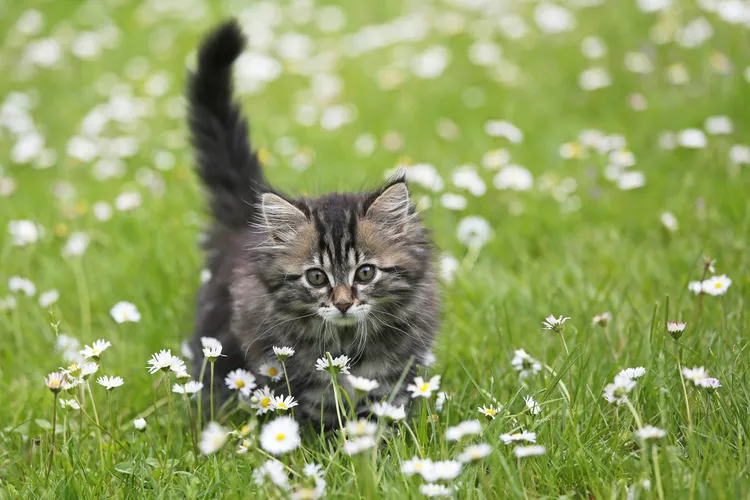
Despite their beauty, daisies are one of many flowers that are toxic to cats. They aren't as toxic as some other flowers, but they can still cause symptoms that can be dangerous to some cats. So, what exactly are the dangers, and how can you prevent your curious kitty from nibbling this flower? Here’s what you need to know about protecting your cat from daisies.
Are Daisies Toxic to Cats?
Daisies belonging to the Chrysanthemum genus are indeed toxic to cats, says Miriam Feller, DVM, a veterinarian at Twin Cities Veterinary Hospital in Corte Madera, California. This includes the familiar white-petaled daisies with yellow centers, also referred to as common daisies or English daisies.
However, other species of daisies, such as blue daisies and Gerbera daisies, are not toxic to cats, she adds. If you have varieties other than common daisies in your yard, be sure to look up their safety for cats.
The primary toxins in daisies are pyrethrins and sesquiterpenes, which are found throughout the plant. These compounds work to deter insects and animals from eating the flowers.
Potential Dangers and Symptoms
When daisies are consumed, the toxins contained in the plant can cause illness in cats. The first major toxin, sesquiterpene, is a contact irritant known to irritate the skin, oral mucosa, and GI tract when ingested, explains Feller. This toxin can result in excessive drooling, skin irritation, vomiting, diarrhea, and even bleeding in the GI tract, she says.
The other most significant toxin type in daisies is pyrethrins, natural insecticidal chemicals that can disrupt a cat’s nervous system, causing symptoms like wobbliness and incoordination, says Feller.
“Like many other toxic compounds, severity of daisy toxicity is dose-dependent, so it's pretty unlikely (though still possible) that a cat who's chewed on a petal or two will have any significant adverse effects."
Chap Pratt, DVM, DACVECC, a veterinarian at Colorado Animal Specialty and Emergency Colorado (CASE) in Boulder, Colorado, adds that ingestion of daises alone in healthy cats is rarely fatal. But, cats with certain pre-existing medical conditions, such as inflammatory bowel disease or chronic kidney disease, may be more vulnerable to negative effects, such as gastrointestinal symptoms or dehydration.
What To Do If Your Cat Eats Daisies
If you know or suspect your cat consumed daisies, call your vet, the Pet Poison Helpline (855-764-7661), or the ASPCA Animal Poison Control Center (888-426-4435) for advice. These professionals can assess whether your cat needs prompt veterinary attention or if a wait-and-see approach is appropriate.
Fortunately, most cases of daisy ingestion are time-limited and don’t require medical attention, says Pratt. However, he notes that some cats may require fluid therapy to ensure adequate hydration or medications, such as anti-nausea or acid-suppressing drugs.
If your cat's fur is contaminated with toxic plant matter, wash them ASAP with a cat-safe shampoo to prevent further ingestion.
Preventing Daisy Poisoning in Cats
Keeping your feline companion safe from the potential dangers of daisies involves implementing proactive measures to minimize exposure. Here are some practical tips to help safeguard your cat.
Avoid Exposure
Keeping daisies out of your home is recommended to ensure your cat’s safety. But, if you can’t resist bringing home an occasional bouquet with daisies, place the vase in an area that’s inaccessible to your cat. Cats are known to be able to access hard-to-reach areas, though, so be sure to keep an eye on your feline friend.
Secure Outdoor Spaces
If your cat goes outdoors and you have outdoor daisies, consider creating barriers or fencing to prevent your cats from accessing them. You could also keep your kitty on a leash and harness when outside to allow them to safely explore your yard.
Choose Cat-Safe Alternatives
Be aware of what plants you have in your yard and home, and look each one up on the ASPCA’s list of toxic plants. This list details each plant’s toxic compounds, symptoms to monitor for, and whether emergency care is needed in the event of ingestion.
When choosing plants to display in your home, choose cat-safe options. Good choices include:
- Orchids
- African violets
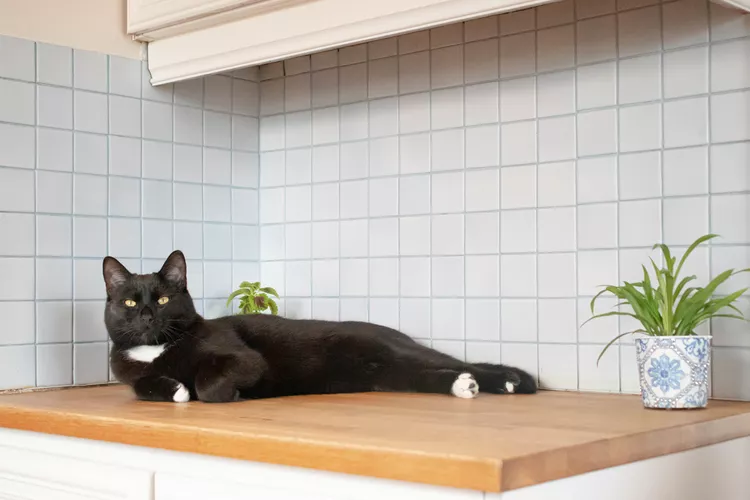
- Spider plants
- Boston ferns
- Polka dot plants
- Bromeliads
- Haworthias
- Gloxinias
- Areca palms
- Gerbera daises
- Blue daisies
You can also offer your kitty cat grass, which they can safely nibble on.
Consider Co-exposures
If you suspect your cat has been munching in the garden or on a bouquet, don’t assume they only consumed daisies. Daisies are often found alongside other flowers in a garden or bouquet, so your cat might have also consumed other plants or flowers, some of which could be highly toxic to cats, says Pratt. Some preservatives in bouquet water can also be toxic to cats, he adds.