Limping in cats is almost always a sign of pain, but the cause may not be obvious. There are several reasons why a cat may limp, many of which are injuries that require veterinary care, so it's important not to let it go untreated. Sometimes, however, a thorn or splinter may simply need to be removed from your cat's paw. Find out more about the underlying causes of limping, how a diagnosis is made, and how this condition may be treated.
Why Do Cats Limp?
Limping is the act of walking with a raised or stiff limb. It is generally a reaction to an injury or ailment that causes a cat pain and makes it lift its paw or leg to remove painful pressure from the limb. The result is an uncoordinated, jolting gait. A broken bone is commonly the first conclusion people make when assessing a limp, but there are several other reasons a cat may limp.
- Fracture: Broken bones are very painful, so cats won't bear weight on a broken leg. Trauma, malnutrition, or even cancer can cause bones to break.
- Dislocated Joint: Shoulder and hip joints can be dislocated if a cat experiences severe physical trauma such as being hit by a car or falling from a high surface.
- Arthritis: This joint condition can be painful and cause a cat to limp.
- Broken or Missing Claw: Cat nails curl and can grow into the paw pad on rare occasions.
- Foreign Object: Thorns, wood splinters, staples, and other sharp objects can become lodged in your cat's foot or toes and cause pain.
- Wound: Bites, scratches, cuts, burns, and abrasions of the leg or paw can result in a painful wound that triggers limping.
- Torn Ligament: The ligament in a cat's knee can tear and cause instability in the joint.
- Spinal Injury: Nerve damage from a spinal injury can cause loss of mobility in a limb.
- Blood Clot: A saddle thrombus is a specific type of blood clot that can cause paralysis of the back legs. It is very sudden, painful, and life-threatening.
What to Do If Your Cat Is Limping
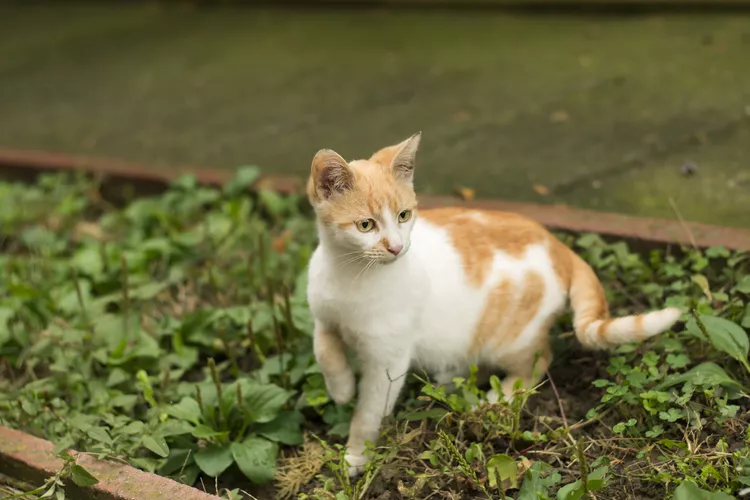
To determine what course of action to take, you'll need to be sure your cat is actually limping. Limping is easy to recognize, even if its cause is not. In a cat, limping may be characterized by an unsteady or unbalanced gait, a raised paw, swelling of the affected limb, or other obvious signs of injury.
Since there are a variety of reasons why a cat may limp, your veterinarian will need to start with a full physical examination. Depending on which leg your cat is favoring, signs of abnormality will be evaluated in the feet, legs, hips, and shoulders.
If no obvious signs of a wound, burn, foreign object, or overgrown nail are seen, an x-ray will be recommended. X-rays can detect broken bones and dislocated joints but not ligament tears, blood clots, or nerve damage.
More extensive diagnostic imaging, such as an MRI or CT scan, may be necessary to identify the cause of a limp.
Treatment for Limping
Most causes of limping can be addressed and repaired so that a cat can resume a relatively normal lifestyle. Of course, the prognosis will vary with each unique case. Treatments for limping depend on the cause and may include:
- Medications for pain, inflammation, and infection may be prescribed.
- Wounds, burns, and overgrown nails may be cleaned and sutured as necessary.
- Surgery, splints, bandages, or casts may be warranted for broken bones or dislocated joints.
Sedation or anesthesia will likely be necessary for surgery as well as other procedures (removing foreign objects, suturing wounds).
Occasionally, physical therapy is also necessary to help a cat regain mobility. In rare cases of traumatic injury, a cat's leg may need to be surgically amputated.
How to Prevent Limping
Since most cases of limping in cats are due to injuries, and outdoor cats are more likely to be injured than indoor cats, keeping your cat inside your home is a great way to prevent it from suffering a limp.
In cases of arthritis or joint problems, supplements like glucosamine, chondroitin sulfate, and omega-3 fatty acids may help keep your cat more mobile and comfortable as it ages. Also, helping your cat maintain a healthy weight can prevent joint problems.
Keeping your cat's claws trimmed can prevent overgrown nails from contributing to a limp.