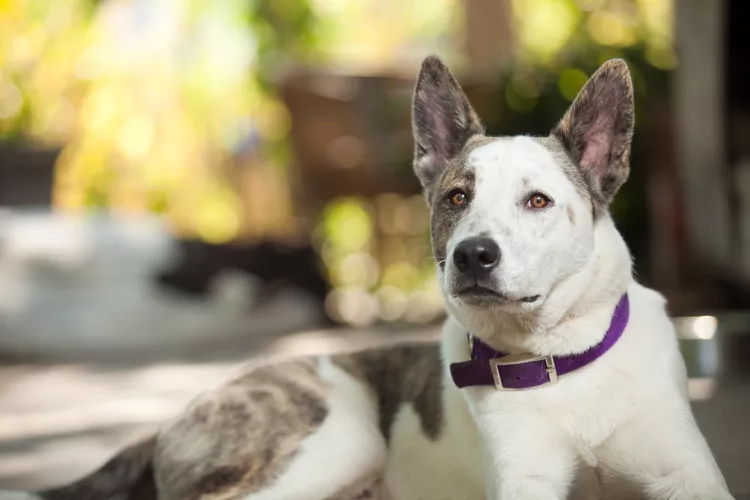
Dogs having a nose bleed can be alarming. Nose bleeds may occur due to trauma, an upper respiratory tract infection, dental disease, toxins, fungal infections, blood protein levels, or cancer. Some of these causes require more emergent veterinary attention than others. It's important to know what to do in the situation and what to expect at the vet visit. Learn more about the causes and preventative measures you can take if your dog's nose is bleeding.
Causes of Nose Bleeds in Dogs
The most common cause of an acute nose bleed in a dog will be either trauma or an infection in their upper respiratory tract. If your dog is accident-prone or he has a lot of inflammation in his nasal passages from a chronic infection, you may see some bleeding from (usually) one nostril. In rarer instances, a foreign object (i.e. grass, foxtails, etc.) that becomes lodged in your dog’s nasal passages or ingestion of rodenticide can also cause your dog’s nose to bleed. Dental disease and tooth root abscesses can also cause discharge from the nose that may include blood.
Dogs that are allowed to roam unsupervised are more at risk for trauma-caused nose bleeds regardless of age.
Other, more chronic, causes of nose bleeds in dogs can include things like hypertension, dental disease and infections, growths or tumors within the nasal passages, coagulation disorders, fungal infections, problems with blood protein levels, or certain tick-borne diseases.
Typically, unilateral bleeding, that is bleeding from only one nostril, is indicative of a tooth infection, a growth associated with the bleeding side, or a foreign object in the bleeding side. Bilateral bleeding, or bleeding from both nostrils, is typically seen with clotting disorders, upper respiratory and/or fungal infections, or trauma.
Doberman pinschers, German shepherds, Golden retrievers, miniature schnauzers, Pembroke Welsh corgis, Shetland sheepdogs, Basset hounds, Scottish terriers, standard poodles, and Manchester terriers are the most likely dog breeds to suffer from a congenital clotting disorder called Von Willebrand’s disease. This disease is inherited, though, so prospective owners of this breed should ask the breeder about the incidence of this disease in their breeding line if purchasing from a breeder (and responsible breeders should be breeding in a way to prevent this disease). Additionally, if you have one of these dogs, you may ask your veterinarian about testing for this condition.
What to Do If Your Dog’s Nose Is Bleeding
If your dog is actively suffering from a nose bleed, try to keep them as calm as possible. Any extra excitement will elevate your dog’s blood pressure and cause an increase in bleeding. If your dog will allow it, place an ice pack wrapped in a dish towel or several paper towels over the bridge of your dog’s nose. If your dog has a short snout (i.e. pugs, bulldogs, boxers, etc.) take care not to completely cover the nostrils that your dog may be able to breathe around the ice pack. The cold of the ice will work to constrict the blood vessels in the nasal passages and may work to stem the flow of blood.
Once the bleeding has stopped, call and make an appointment to have your vet check your dog over. If you feel there is a chance your dog could have gotten into any medications, such as human NSAIDs such as aspirin, ibuprofen (Advil, Motrin), or naproxen (Aleve), or if your fear they may have gotten into rat poison, take them to the vet immediately. Even if you don’t think they could have gotten into rat poison directly, if they got to an animal that died from rat poison ingestion, your dog will still be at risk for toxicity from the poison.
Treatment & Prevention of Nose Bleeds in Dogs
The treatment for a nose bleed will depend on the underlying cause. Fungal infections will require anti-fungal medications and bacterial infections will require antibiotics. Foreign objects will need to be removed, which may require your dog to be sedated. Dental infections that cause a nose bleed will require a dental procedure so that the offending tooth can be removed. Growths, cancers, tick-borne diseases, coagulopathies, hypertension, and blood protein disorders may require more extensive, ongoing treatment. Some foreign bodies and masses may not be visible and your veterinarian may need to refer your pet to a specialist for more advanced imaging, like rhinoscopy or CT.
Generally, nose bleeds that are caused by a dental, bacterial, or fungal infection has a fair to good prognosis. If caught in time, and with treatment, toxicity from rodenticide or NSAID ingestion can be good but if treatment isn’t sought out quickly, the prognosis can change to guarded or even grave. Chronic and/or underlying diseases that cause nose bleeds may have a more difficult, or at the very least more drawn-out, testing and treatment. Growths or tumors that are within the nasal passages, whether they are benign or not, may progress to a size where symptomatic treatment and medical management may no longer be possible.
To help prevent trauma-induced nose bleeds, try not to let your dog roam unsupervised. It's also a good idea to keep up with their dental health to prevent infection that can lead to epistaxis.